A Guide to Types of Collectible Stamps
Collecting stamps is a fascinating hobby that connects us to history, art, and culture. Whether you are just starting or have been collecting for years, there is always something new to discover. I remember the thrill of finding my first rare stamp and how it sparked a lifelong passion. In this guide, I’ll walk you through the essentials of stamp collecting, focusing on the different types of collectible stamps, how to identify them, and tips to build your own collection with confidence.
Exploring Different Types of Collectible Stamps
When you dive into the world of stamps, you quickly realize there is a wide variety to explore. Each type has its own story and appeal. Here are some of the most popular types of collectible stamps you might want to consider:
Definitive Stamps: These are everyday stamps issued in large quantities. They usually feature national symbols, famous people, or common themes. While they may not be rare, some older definitive stamps can be valuable.
Commemorative Stamps: Issued to honor special events, anniversaries, or notable individuals, these stamps are often colorful and artistic. They are usually printed in limited runs, making them more collectible.
Airmail Stamps: Designed specifically for airmail service, these stamps often have unique designs related to aviation history.
Revenue Stamps: Used to collect taxes or fees on documents, these stamps have a different purpose but are highly collectible due to their historical significance.
Errors and Oddities: Stamps with printing mistakes, color shifts, or misperforations can be rare and highly sought after by collectors.
Souvenir Sheets: These are small sheets containing one or more stamps, often issued to commemorate special occasions.
Each type offers a unique window into history and culture, making your collection not just a hobby but a journey through time.

What Stamps Are Collectable?
Not every stamp is collectible, but many have qualities that make them worth adding to your collection. Here’s what to look for when deciding if a stamp is collectible:
Age: Older stamps tend to be more valuable, especially if they are in good condition.
Rarity: Limited print runs or stamps with errors are often more collectible.
Condition: Mint condition stamps (unused and well-preserved) are generally more desirable.
Historical Significance: Stamps that mark important events or feature famous personalities can be highly prized.
Design and Artwork: Beautiful or unique designs can make a stamp stand out.
Country of Origin: Some countries’ stamps are more sought after due to their history or scarcity.
For example, a rare error stamp from the early 1900s can be worth hundreds or even thousands of dollars. On the other hand, a common modern stamp might be more valuable for its design or as part of a thematic collection.
How to Start Your Own Stamp Collection
Starting a stamp collection can feel overwhelming, but it’s easier than you think. Here are some simple steps to get you going:
Choose Your Focus: Decide if you want to collect by country, theme (like animals or space), or type of stamp.
Gather Supplies: You’ll need a stamp album, tweezers, a magnifying glass, and stamp hinges or mounts.
Start Collecting: Look for stamps in your mail, buy from reputable dealers, or trade with other collectors.
Learn to Identify Stamps: Use catalogs and online resources to understand the value and history of your stamps.
Keep Your Stamps Safe: Store them in a cool, dry place away from direct sunlight to preserve their condition.
Remember, collecting is about enjoyment and learning. Don’t rush to buy expensive stamps right away. Build your collection gradually and savor the process.
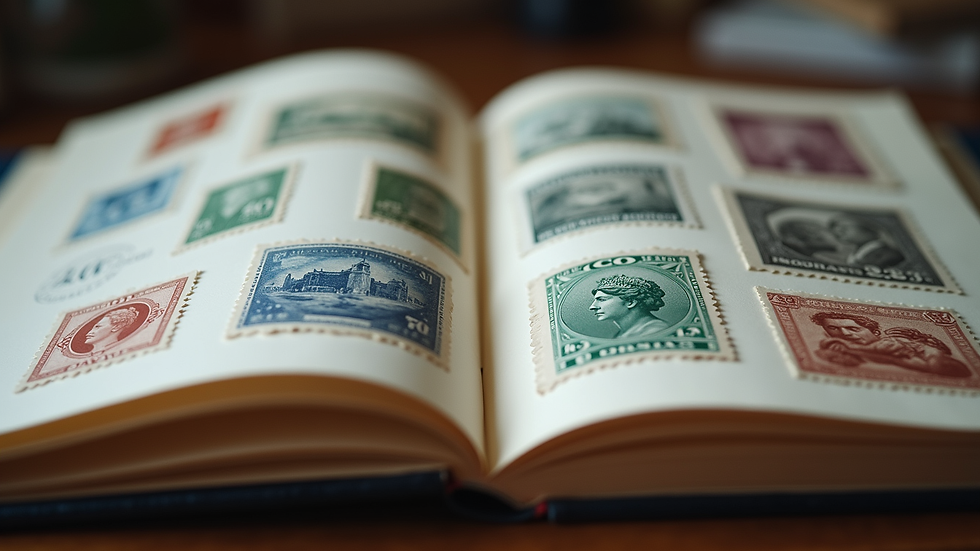
Caring for Your Stamp Collection
Proper care is essential to keep your stamps in top shape. Here are some tips to help you protect your collection:
Handle with Care: Always use tweezers to avoid oils and dirt from your fingers.
Avoid Moisture and Heat: Store stamps in a dry environment to prevent damage.
Use Archival Materials: Acid-free albums and mounts help preserve stamps longer.
Keep Away from Direct Sunlight: UV rays can fade colors and weaken paper.
Regularly Inspect Your Collection: Check for signs of mold, pests, or damage.
Taking good care of your stamps not only maintains their value but also ensures they remain beautiful for years to come.
Growing Your Knowledge and Community
One of the best parts of collecting stamps is connecting with others who share your passion. Here are some ways to expand your knowledge and enjoy the hobby even more:
Join Stamp Clubs: Local or online clubs offer opportunities to trade, learn, and socialize.
Attend Stamp Shows and Auctions: These events are great for finding rare stamps and meeting experts.
Read Books and Magazines: There are many resources that cover everything from beginner tips to advanced collecting.
Follow Online Forums and Blogs: Engage with a global community and stay updated on trends and discoveries.
By immersing yourself in the community, you’ll find encouragement and inspiration to keep your collection growing.
Your Next Steps in Stamp Collecting
Whether you’re just starting or looking to deepen your collection, remember that every stamp has a story. Take your time, enjoy the hunt, and don’t hesitate to ask questions or seek advice. If you want to explore a wide range of collectible stamps, there are many online shops that offer both beginner-friendly and rare finds.
Happy collecting! Your journey into the world of stamps is just beginning, and there’s so much to discover. Keep your eyes open, your hands gentle, and your curiosity alive.
This guide aims to make stamp collecting accessible and enjoyable for everyone, supporting a hobby that connects us to history and culture while also giving back to our veterans.


Comments